
Orlando pools age faster because heat, sun exposure, and chemical imbalance gradually break down interior surfaces. Many homeowners begin noticing rough textures, stains, or flaking plaster that affect water clarity and safety.
Choosing between resurfacing and replastering can feel overwhelming without clear guidance. This guide explores the major differences, costs, and benefits to help determine whether pool resurfacing or replastering best fits an Orlando pool’s needs.
What Is Pool Resurfacing?
Pool resurfacing is the process of repairing and restoring the entire pool surface by applying a new layer of material. It works for concrete pools, fiberglass pools, and older plaster pools dealing with rough textures, old plaster, or deterioration caused by chemicals and sun exposure.
Advantages and Disadvantages of Pool Resurfacing
Pool resurfacing offers durability and aesthetic appeal, but material costs and labor can vary depending on pool size and surface finishes. Below is a comparison of the benefits and limitations across common resurfacing materials used in Orlando pools.
|
Advantages |
Disadvantages |
|---|---|
|
Longer lifespan and increased longevity |
Higher material costs for pebble finishes |
|
Smooth finish and modern pool finish options |
Labor intensive process and longer installation |
|
Handles algae growth better |
Requires hydro blasting or acid wash prep |
|
Works for fiberglass pool resurfacing and concrete pools |
More expensive for large pool size (per square foot) |
|
Improves overall value and aesthetic appeal |
Not ideal if structural issues affect the underlying surface |
Why Resurfacing Is Needed
Resurfacing becomes necessary when the existing pool surface shows wear from Florida’s heat, chemicals, and constant swimming pool use. Many Orlando pools develop surface problems from muriatic acid imbalance, rust stains, or loose plaster.
What Is Pool Replastering?
Pool replastering is the process of applying a new plaster layer over the existing plaster. It is ideal when the pool shell is strong but the plaster surface has worn out. Many vinyl pool and fiberglass pool owners compare replastering vs resurfacing to determine which provides a cost-effective option.
Advantages and Disadvantages of Pool Replastering
Replastering focuses on renewing the plaster layer only. It is more affordable for pools with cosmetic surface issues but offers fewer surface finishes compared to advanced resurfacing materials.
|
Advantages |
Disadvantages |
|---|---|
|
Lower pool costs compared to resurfacing |
Shorter lifespan than pebble or quartz |
|
Classic white plaster look |
Rough textures return sooner |
|
Works well on existing pool surface with minimal damage |
Less stain resistance |
|
Ideal cost effective option for smaller pools |
Not suitable if cracks affect the underlying surface |
|
Faster installation process |
Limited color choices |
Why Replastering Is Needed
Over time, plaster can fade, crack, or become rough due to chemical imbalance and heavy swimming pool use. Replastering a pool restores a fresh new layer, improving comfort and appearance. It is a practical resurfacing and replastering option for pools that do not require completely removing the entire surface.
Cost Comparison: Pool Resurfacing vs Replastering in Orlando
Material costs, pool installation, pool size, and resurfacing materials all affect pricing. Orlando homeowners often compare resurfacing vs replastering to balance overall value, longevity, and aesthetic goals.
|
Service |
Typical Cost Range |
What It Includes |
Best For |
|---|---|---|---|
|
Pool Resurfacing |
$5,000–$15,000 |
New surface, pebble tec, aggregate finishes, glass tile, fiberglass coatings |
Entire surface renewal, modern pool renovation |
|
Pool Replastering |
$4,000–$7,500 |
New plaster layer, patching, smoothing top layer |
Standard plaster repairs, cost effective option |
|
Fiberglass Pool Resurfacing |
$6,500–$12,000 |
Gel coat, smoothing, repairing blisters |
Fiberglass pools needing smooth finish |
|
Acid Wash + Minor Repairs |
$250–$700 |
Removes algae, cleans stains, removes surface film |
Rust stains, algae growth, small repairs |
|
Full Pool Restoration |
$8,000–$20,000 |
Structural repairs, new plaster, waterline tile, resurfacing project |
Aging pools with deep damage |
Installation Process: Resurfacing and Replastering Explained
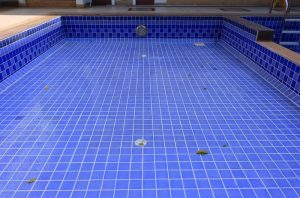
Both resurfacing and replastering involve removing or preparing the old plaster, applying a new layer, and completing final step refinishing.
Pool Resurfacing Installation Process
- Involves completely removing damaged areas
- Hydro blasting or grinding the old plaster
- Applying new layer of chosen resurfacing materials
- Adding waterline tile or glass beads for design
- Filling pool water and balancing chemicals
Pool Replastering Installation Process
- Involves removing loose plaster
- Applying new plaster layer over existing plaster
- Smoothing the entire surface for a smooth finish
- Filling and chemically balancing the swimming pool
How to Choose Between Resurfacing and Replastering
Choosing the right option depends on the pool’s age, surface condition, budget, and long-term goals. A professional inspection is recommended to identify hidden issues beneath the top layer.
Quick Evaluation Guide
- Light cosmetic wear → Replaster
- Rough texture or stains → Resurfacing
- Large cracks → Resurfacing with repair
- Desire for modern look → Resurfacing
- Old plaster failing → Replaster or upgrade
Why Choose Pristine Pool Repair Orlando
Pristine Pool Repair Orlando provides expert resurfacing and replastering services tailored to local pool conditions. Their licensed technicians understand Orlando’s climate, water chemistry, and plaster behavior better than general contractors.
Reasons Homeowners Trust Pristine Pool Repair Orlando
- Licensed & insured (Florida license #CPC1459737)
- Experienced technicians trained in modern finishes
- Knowledge of Orlando water chemistry and environmental wear
- Full equipment and surface restoration services
- Family-owned business with honest pricing
- Workmanship guarantees
- Code-compliant repairs and surface preparation
- Fast response across Orlando and nearby areas
Get Professional Pool Resurfacing in Orlando Today
Pool surfaces wear out faster in Florida’s hot climate, and early signs like rough plaster or stains shouldn’t be ignored. Whether the pool needs minor replastering or a full resurfacing upgrade, a professional inspection ensures safety, better aesthetics, and long-term value. Contact Pristine Pool Repair Orlando today for a free quote and expert guidance on restoring any residential swimming pool.